

Contact Lens
Consultation
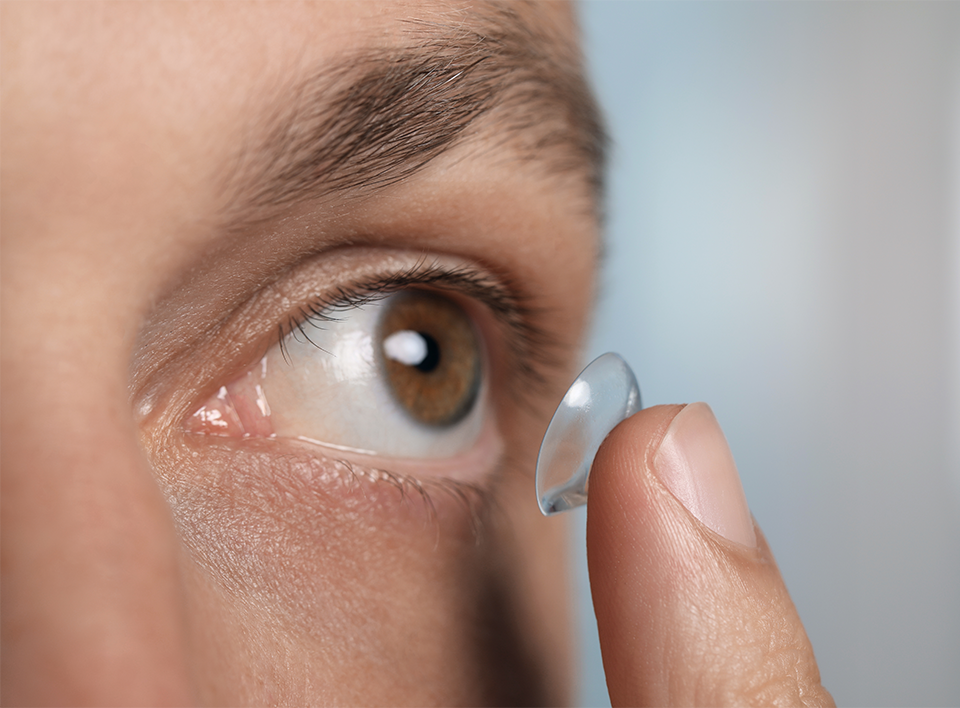
Contact Lens Consultation
Contact lens aftercares are extremely important as you do not always experience symptoms if there are health problems occurring. It is also a legal requirement – you must have an up-to-date contact lens aftercare before we, or anyone else, are permitted to supply you with contact lenses.
A contact lens aftercare is best conducted when you are already wearing your contact lenses and have been for a few hours. This is so we know that the lenses have settled completely, so we can get a much more accurate idea of how the lenses fit you and what your vision is like. We can also then check whether the lens is drying throughout the day or whether they are irritating your eyes.
Therefore, we recommend you attend your appointment when the lenses have been in at least 3 hours. Bring your contact lens case and glasses with you, as we may ask you to remove your contact lenses during the appointment.
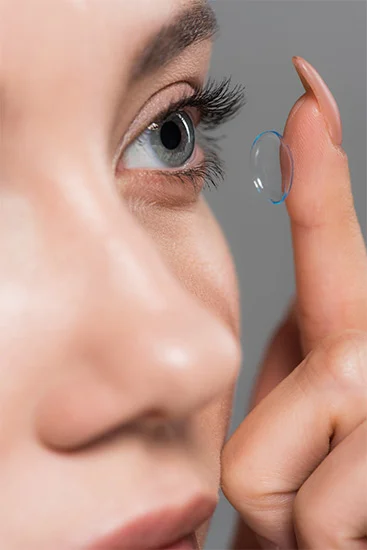

What is involved in a contact lens aftercare?
We also check how the lenses sit on your cornea (this is the clear front surface of the eye where the contact lens rests) and how they move when you blink or look around; a lens is supposed to move a little but not too much. We check that the lenses are ‘wetting’ well (a contact lens needs to be coated by your own tears in order for you to see clearly) and check that there are no deposits building up (these are proteins from your tears and can sometimes stick to contact lenses, causing irritation or reducing clarity).
We will then check the health of the eyes themselves. We look for any signs of irritation on the eyes and any signs that the eyes aren’t getting enough oxygen. The cornea does not have any blood vessels in it as it needs to be completely clear to allow light to pass through. It receives its oxygen from the air; oxygen dissolves in the tears and is then distributed over the whole cornea. Contact lenses do act as a barrier to oxygen and this can sometimes lead to problems. If your eyes are not receiving enough oxygen, there are tell-tale signs that we will spot when we examine you. The main sign we look for is the growth of blood vessels from the white of the eye (the ‘sclera’) into the cornea. This is not painful and does not affect your vision until very advanced, however if it goes unchecked it can cause scarring and will impede your vision. This is why contact lens aftercares are so important – if we can spot these signs early we are able to do something about them, for example changing your lens type to something which allows more oxygen through.






The results

If we feel you would benefit from a different lens type, we will supply you with trial lenses first. Contact lenses are all made from different materials and there will be some materials which will suit your eyes better than others. It is not always easy to predict which materials will suit you best and it is often a case of trial and error. We usually recommend that you try a new lens for a week or so and then return for a follow up appointment. We then can check how the new lens is fitting etc and discuss how you have been getting on with the lens.